

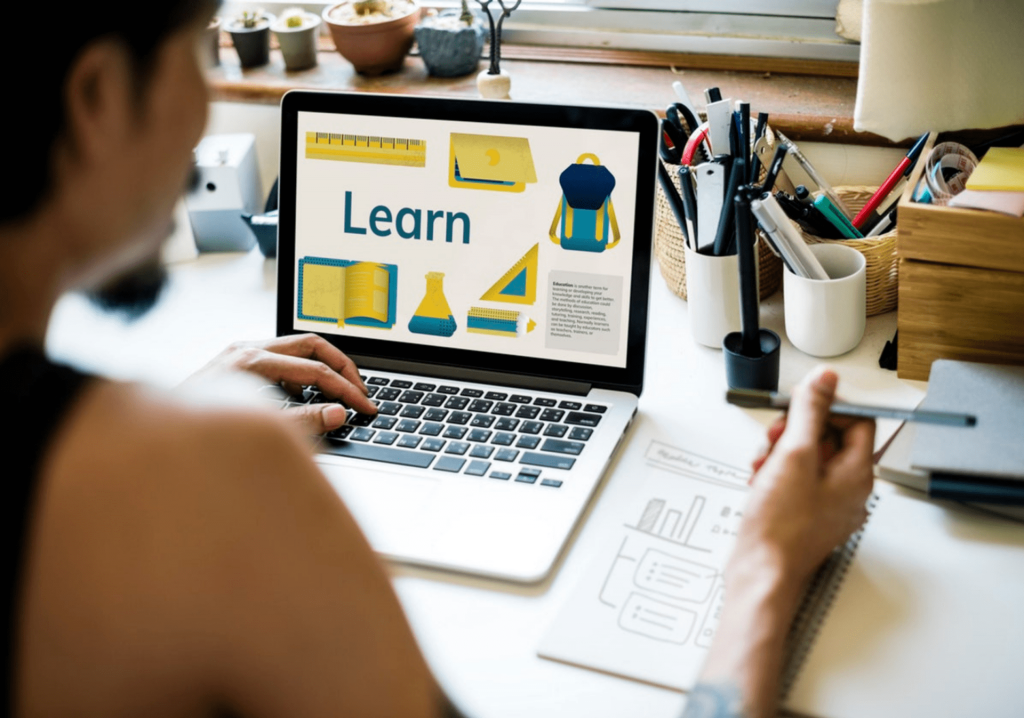
In recent years, online learning has transformed from a niche alternative into a mainstream educational pathway. Whether someone is looking to switch careers, gain new technical skills, or simply explore a personal interest, the digital classroom offers unprecedented access and flexibility. Yet for beginners, the sheer variety of platforms, formats, and expectations can feel overwhelming. Understanding how online learning works—and how to approach it effectively—is the first step toward making the most of this powerful resource.
What Exactly Is Online Learning?
At its core, online learning refers to any form of education delivered primarily through digital devices and internet connectivity. This includes structured courses offered by universities, self-paced tutorials on specialized platforms, live virtual classrooms, and even informal video lessons on topics ranging from coding to cooking. Unlike traditional in-person education, online learning removes geographical barriers and often allows learners to set their own pace.
The rise of online learning isn’t just a product of convenience—it’s backed by research. According to a meta-analysis by the U.S. Department of Education, students in online learning conditions performed modestly better, on average, than those receiving face-to-face instruction, particularly when courses included interactive elements and clear objectives.
How Does Online Learning Work in Practice?
Most online courses follow one of two models: synchronous or asynchronous. Synchronous learning happens in real time—think live webinars, scheduled Zoom lectures, or virtual study groups where participants interact simultaneously. Asynchronous learning, on the other hand, lets students access materials like recorded videos, readings, and quizzes whenever it suits them, within a given timeframe.
For beginners, asynchronous formats often provide a gentler entry point. Platforms like Coursera and edX offer thousands of university-backed courses that can be completed at the learner’s own rhythm, with deadlines that encourage steady progress without rigid scheduling. Meanwhile, platforms such as Khan Academy specialize in bite-sized, on-demand lessons ideal for building foundational knowledge.
Regardless of format, successful online learning hinges on structure. High-quality courses typically include learning objectives, modular content, assessments, and opportunities for feedback—elements that mirror effective traditional pedagogy but are adapted for digital delivery.
Choosing the Right Platform: Quality Over Quantity
Not all online learning experiences are created equal. With countless options available, beginners should prioritize platforms known for academic rigor, credible instructors, and transparent outcomes. Massive Open Online Course (MOOC) providers like Coursera partner with institutions such as Stanford University and Yale to deliver accredited content, while LinkedIn Learning focuses on professional development taught by industry practitioners.
When evaluating a course, it’s wise to check the instructor’s background. Are they actively working in the field? Do they hold relevant credentials? Reputable platforms often display instructor bios and student reviews, offering valuable insight into teaching quality. The National Center for Education Statistics emphasizes the importance of verifying accreditation and instructor expertise when selecting online programs, especially for career-oriented goals.
Free resources can also be highly effective. For example, MIT OpenCourseWare provides full access to actual MIT course materials at no cost, demonstrating how elite educational content can be democratized without sacrificing depth.
Common Challenges—and How to Overcome Them
One of the biggest hurdles for new online learners is staying motivated without the external structure of a physical classroom. Without set class times or peer presence, it’s easy to procrastinate or lose focus. Research from the Online Learning Consortium shows that self-regulation—setting goals, managing time, and monitoring progress—is a key predictor of success in digital environments.
To build discipline, beginners can adopt simple strategies: designate a quiet, distraction-free study space; break coursework into manageable weekly goals; and use calendar reminders to stay on track. Many platforms now include built-in progress trackers and email nudges to help maintain momentum.
Technical issues can also pose initial barriers. However, most modern platforms are designed with user-friendliness in mind. If internet access or device limitations are concerns, public libraries and community centers often provide free computer access, and many mobile apps allow offline viewing of course materials—a feature increasingly common on platforms like Udemy.
The Role of Interaction and Community
Contrary to popular belief, online learning doesn’t have to be isolating. Many courses incorporate discussion forums, peer-reviewed assignments, and group projects to foster collaboration. On edX, for instance, learners can join global study groups or participate in moderated Q&A sessions with instructors. These interactions not only deepen understanding but also replicate the social accountability found in traditional classrooms.
Studies published in the journal Computers & Education highlight that peer interaction significantly boosts engagement and retention in online settings. Even simple acts—like posting a question in a forum or reviewing a classmate’s work—can create a sense of belonging and shared purpose.
For those seeking more direct support, some platforms offer mentorship or coaching. Codecademy, for example, pairs learners with advisors in its Pro plan, providing personalized guidance through complex programming concepts. Such features bridge the gap between independent study and hands-on instruction.
Credentials That Carry Weight
A frequent concern among beginners is whether online learning leads to recognized qualifications. The answer depends on the program. While many free courses offer certificates of completion, these may not hold formal academic or professional weight. However, verified certificates, professional diplomas, and even full degrees earned online can be just as credible as their on-campus equivalents—provided they come from accredited institutions.
For career advancement, microcredentials like Google Career Certificates or IBM Data Science Professional Certificates have gained traction with employers. These programs are designed in collaboration with industry leaders and often include portfolio projects that demonstrate real-world competency. According to a 2023 report by Burning Glass Technologies, job postings increasingly accept these certifications as valid proof of skill, particularly in tech and business fields.
Learners should always verify whether a credential aligns with their goals. The Council for Higher Education Accreditation maintains a database of recognized accrediting bodies, helping individuals avoid unaccredited or misleading programs.
Practical Tips for Getting Started
Starting an online learning journey doesn’t require advanced tech skills or a packed schedule. Here’s a straightforward roadmap:
First, define a clear objective. Is the goal to learn Python for data analysis, understand financial accounting, or improve public speaking? Specificity helps narrow down the best course and keeps motivation high.
Next, assess available time realistically. Even 30 minutes a day, consistently applied, can yield significant progress over weeks. Platforms like FutureLearn structure courses into short daily activities, making integration into busy lives easier.
Then, test the waters with a free trial or introductory module. Most major platforms allow previewing course content before enrollment. This helps gauge teaching style, difficulty level, and platform usability.
Finally, commit to active learning. Watching videos passively is less effective than taking notes, pausing to reflect, or applying concepts through exercises. Active engagement transforms information into usable knowledge.
Looking Ahead: The Evolving Landscape
Online learning continues to evolve rapidly. Innovations like AI-driven tutoring, virtual reality labs, and adaptive learning paths are reshaping how knowledge is delivered. Yet the fundamentals remain unchanged: clarity of purpose, quality of content, and learner agency determine success more than technology alone.
As remote work and digital literacy become standard, the ability to learn independently online is no longer optional—it’s essential. UNESCO has recognized open and distance learning as a critical tool for lifelong education, especially in underserved regions. This global shift underscores that online learning isn’t just convenient; it’s a vital component of modern intellectual and professional development.
Frequently Asked Questions
What equipment do I need to start online learning?
At minimum, a reliable internet connection and a device such as a laptop, tablet, or smartphone are sufficient. Most platforms are mobile-friendly, and basic software like a web browser and PDF reader covers most requirements. Headphones and a webcam may be needed for live sessions, but many courses function well without them.
Are free online courses worth my time?
Yes—many free courses from reputable sources like Harvard’s CS50 on edX or Stanford’s Machine Learning on Coursera offer world-class instruction. While they may not include graded assignments or official certificates without payment, the knowledge gained is often identical to paid versions.
How much time should I dedicate each week?
This varies by course, but most estimate 3–6 hours per week for a standard MOOC. Self-paced platforms allow flexibility, but consistent weekly engagement yields better retention than cramming. Setting a regular study routine helps build sustainable habits.
Can I get college credit for online courses?
Some platforms offer credit-eligible courses through partnerships with accredited universities. For example, Arizona State University’s Global Freshman Academy allows learners to earn transferable credits via edX. Always confirm credit acceptance with your target institution beforehand.
What if I fall behind in my course?
Many self-paced courses remain accessible for months or even indefinitely after enrollment. Instructor-led courses may offer extension options or archive access. The key is to communicate early—some platforms have policies to support learners facing unexpected delays.
Do employers respect online certificates?
Increasingly, yes—especially when certificates come from recognized providers like Coursera, LinkedIn Learning, or industry-specific programs like AWS Training. Including these credentials on resumes and LinkedIn profiles, along with project examples, demonstrates initiative and up-to-date skills.
Is online learning suitable for all subjects?
While theoretical subjects like history, programming, or business thrive online, hands-on fields like surgery or automotive repair require in-person practice. However, hybrid models—combining online theory with local labs—are emerging for disciplines needing physical training.
How can I stay motivated without a classroom environment?
Setting small milestones, joining online study communities, and connecting learning to real-world applications (like building a website or analyzing personal finances) can sustain motivation. Tracking progress visually—through checklists or journaling—also reinforces commitment.
Final Thoughts: Your Learning Journey Starts Now
Online learning isn’t just about watching videos or clicking through modules—it’s about taking ownership of your intellectual growth in a connected, flexible, and increasingly sophisticated digital ecosystem. For beginners, the path begins with curiosity, supported by the right resources and a realistic plan. The tools, content, and communities are already in place; what matters most is the decision to engage.
Whether aiming to advance a career, explore a passion, or simply stay mentally agile, the digital classroom welcomes all who are willing to show up and put in the effort. With trusted platforms, evidence-based strategies, and a mindset geared toward consistent progress, anyone can turn online learning into a transformative experience. The next chapter of your education is just a click away—but it starts with a single, intentional step.